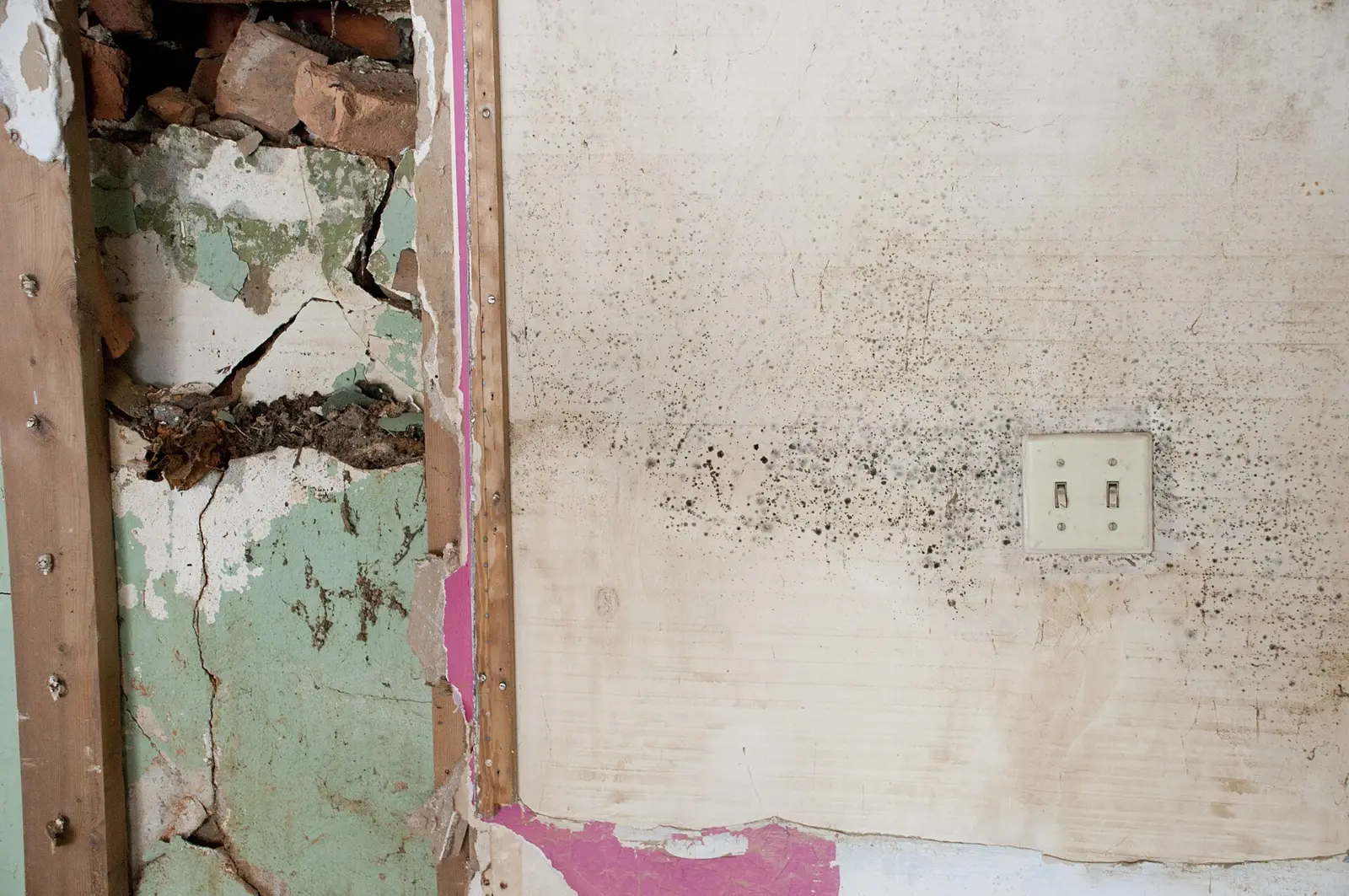
Home / Mold removal
Mold removal in Spokane, WA
You can usually clean mold yourself if it covers less than about 10 square feet. Anything larger, mold inside walls, ceilings, ducts or crawl spaces, or mold from sewage water needs a professional removal company. Request a free quote and a local Spokane company will contact you.
Do it yourself or hire a pro?
| Situation | What to do |
|---|---|
| Small patch under about 10 sq ft (3 by 3 feet) on a hard surface | Usually fine to clean yourself with detergent and water, gloves, goggles and an N95 mask. Fix the moisture first. |
| More than 10 sq ft | Hire a professional (EPA and Washington State Department of Health advice). |
| Inside walls, ceilings, heating ducts or a crawl space | Hire a professional. Opening these up spreads spores. |
| After sewage or flood water | Hire a professional. |
| Someone in the home has asthma, allergies or a weak immune system | Hire a professional and keep them away from the work area. |
What professional mold removal involves
- Find and fix the water source. Without this the mold comes back.
- Contain the area with plastic sheeting and air pressure so spores do not spread to the rest of the house.
- Remove damaged porous materials such as drywall, insulation and carpet that cannot be cleaned.
- Clean and dry hard surfaces like framing and joists, often with HEPA vacuums and dehumidifiers.
- Check the result, ideally with a clearance test by someone independent, before walls are closed up.
What drives the price of mold removal
Removal is priced per job, so get a written quote after an inspection. The main things that raise or lower the price are:
- The size of the affected area.
- Where it is: an open basement wall is easier than an attic, a crawl space or inside heating ducts.
- How much material must be torn out and replaced.
- Whether the water source also needs repair (a roof, plumbing or drainage).
Ask your insurer before work starts. Many policies cover mold from a sudden covered event, such as a burst pipe, but not from slow leaks.
How to choose a mold removal company in Spokane
- Ask for their mold remediation certification (for example IICRC) and how many similar jobs they have done.
- Check they are a registered contractor with Washington Labor & Industries if they will remove drywall or flooring.
- Get the plan in writing: which areas, what is removed, how it is contained, and how the result is checked.
- Ask for references, as the EPA recommends, and ask them to follow EPA or IICRC guidance.
- Prefer a clearance test by an independent inspector, not by the company that did the work.
Get a mold removal quote in Spokane
Tell us what is going on and a local professional who serves your area will contact you. It takes about a minute and there is no obligation.
Common questions
What certifications should a mold inspector or removal company have?
Ask which mold certification they hold, for example from ACAC, IICRC or NORMI, and how many mold jobs they have done. Washington licenses home inspectors, but mold credentials are mostly private certifications. A removal company that tears out drywall or flooring should also be a registered contractor with Washington Labor & Industries, and the EPA advises checking references and asking them to follow EPA or IICRC guidance.
Are free mold inspections a good idea?
Be careful with free inspections. They are usually offered by companies that also sell mold removal, so they make money when they find a problem. An independent inspector who does not do removal has no reason to oversell the job.
Can I clean up mold myself?
Yes, if the area is small. The EPA and the Washington State Department of Health both say you can usually clean mold yourself when it covers less than about 10 square feet, roughly a 3 by 3 foot patch. For larger areas, mold from sewage, or mold hidden in walls or ducts, hire a professional. Fix the water source first or the mold comes back.
Is professional mold removal worth it?
Professional removal is worth it for anything bigger than about 10 square feet, for mold inside walls, ceilings, ducts or crawl spaces, and when someone in the home has asthma, allergies or a weak immune system. Professionals contain the area so spores do not spread and remove damaged materials that cannot be cleaned.
Does homeowners insurance cover mold removal?
Sometimes. Many policies cover mold caused by a sudden covered event, such as a burst pipe, but exclude mold from slow leaks, flooding or poor upkeep. Check your policy or ask your insurer before work starts, and keep photos and the inspection report.
Can a house with mold be saved?
In almost every case, yes. The fix is to stop the moisture, remove and replace damaged porous materials like drywall and insulation, clean hard surfaces, and dry the area. A follow-up test after the work confirms it is done.
Is black mold dangerous?
The color of mold does not tell you how harmful it is, so treat any indoor mold the same way: find the moisture and remove it. The Washington State Department of Health says most molds do not harm healthy people, but people with allergies, asthma, lung disease or weak immune systems can react more strongly.
How do I know if there is mold in my crawl space?
A musty smell inside the house, visible fuzzy or dark growth on wooden joists, damp insulation, standing water or condensation are the usual signs. Spokane crawl spaces often get damp from spring snowmelt, so they are one of the first places an inspector checks.